Minimum Wage 2026 in the UK: New Pay Rates, Government Rules, and Worker Rights
Minimum wage 2026 is a critical topic for millions of UK workers and employers as the cost of living, inflation, and wage fairness remain central economic concerns. In this guide, we explain what the UK minimum wage in 2026 is expected to look like, how it is set, who qualifies, and what changes employees and businesses should prepare for.
This article is reviewed using official UK government guidance, labour market data, and trusted employment advisory sources to ensure accuracy and transparency.
Overview: What Is the UK Minimum Wage?
The UK minimum wage is the legal minimum hourly pay employers must pay eligible workers. It is enforced by the UK government and reviewed annually.
There are two key systems:
- National Minimum Wage (NMW) – for workers under 21 and apprentices
- National Living Wage (NLW) – for workers aged 21 and over
Each April, new rates are introduced based on recommendations from the Low Pay Commission (LPC).
Minimum Wage 2026: Expected Changes in the UK
While the official minimum wage 2026 rates will be confirmed closer to April 2026, government policy aims to ensure wages keep pace with living costs.
Key expectations for minimum wage 2026 include:
- Continued alignment with median UK earnings
- Adjustments based on inflation and employment data
- Protection for low-income workers during economic uncertainty
The UK government has committed to maintaining the National Living Wage at two-thirds of median earnings, subject to economic conditions.
Final figures are announced by HM Government and should always be checked on GOV.UK.

Current Minimum Wage Structure (UK)
As a foundation for understanding minimum wage 2026, here is how rates are currently structured by age group:
- National Living Wage – Age 21+
- 18–20 year old rate
- 16–17 year old rate
- Apprentice rate
Each group has a different legal minimum, reflecting experience and labour market participation.
Who Will Be Affected by Minimum Wage 2026?
The minimum wage 2026 will affect a wide range of UK residents, including:
Employees
- Full-time and part-time workers
- Temporary and zero-hour contract workers
- Agency workers
Apprentices
Apprentices are entitled to a specific minimum rate, although many employers choose to pay more.
Employers
Businesses must:
- Update payroll systems
- Adjust contracts
- Remain compliant to avoid penalties
Failure to pay the correct minimum wage can result in fines, repayment orders, and public naming.
How the UK Government Sets the Minimum Wage
The Low Pay Commission (LPC) independently advises the government on minimum wage levels.
They consider:
- Cost of living trends
- Employment rates
- Business affordability
- Economic growth forecasts
The government then reviews these recommendations before confirming the minimum wage 2026 rates.
Trusted source:
- Low Pay Commission
- Department for Business & Trade
Minimum Wage vs National Living Wage (Important Difference)
Many people use the terms interchangeably, but they are not the same.
| Term | Applies To |
|---|---|
| National Minimum Wage | Under 21s & apprentices |
| National Living Wage | Workers aged 21+ |
In 2026, this distinction will continue to apply.
How Minimum Wage 2026 Impacts Workers
For employees, an increase in minimum wage 2026 could mean:
- Higher take-home pay
- Improved financial stability
- Better protection against inflation
However, take-home pay can still be affected by:
- Income tax thresholds
- National Insurance
- Pension contributions
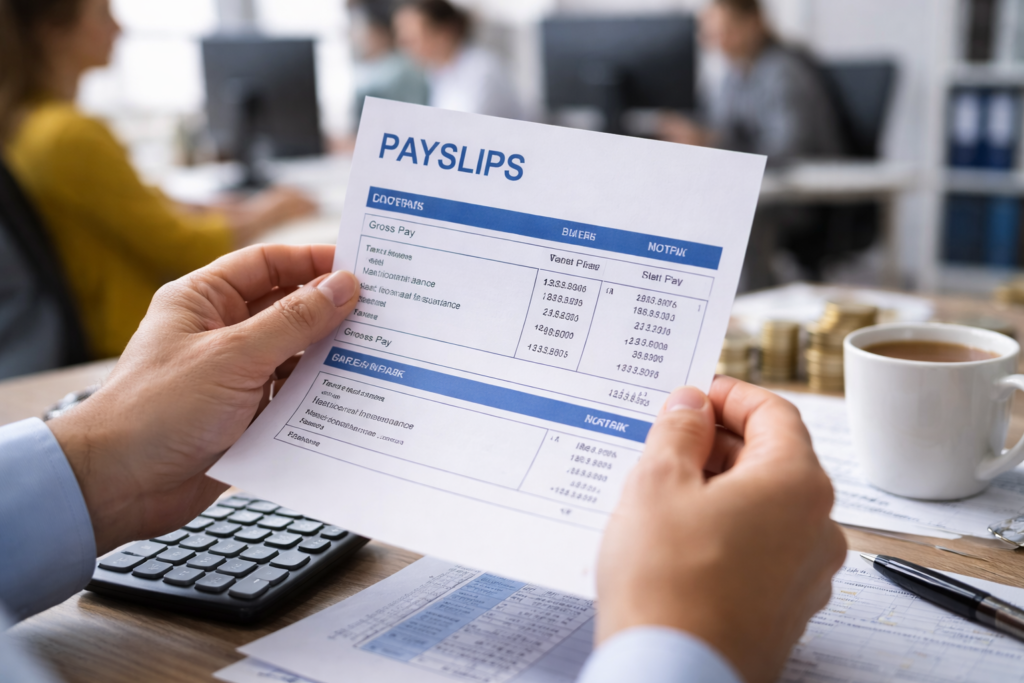
Workers should always check payslips carefully after April wage updates.
How Minimum Wage 2026 Affects Employers
Employers need to prepare early for minimum wage 2026 by:
- Reviewing staff pay bands
- Budgeting for increased labour costs
- Updating HR and payroll software
Small businesses may be eligible for:
- Business support schemes
- Tax allowances
- Advisory services
Helpful resources:
- GOV.UK – Minimum Wage Guidance
- ACAS – Employer Advice
Enforcement and Penalties (UK Law)
HMRC enforces minimum wage compliance.
If an employer fails to pay:
- Workers must be repaid arrears
- Employers can face fines up to 200% of underpayment
- Company names may be publicly listed
Employees can report issues confidentially.
What To Do If You’re Paid Below Minimum Wage
If you believe your pay is below the minimum wage 2026 level:
- Check your age and pay band
- Speak to your employer
- Contact ACAS or HMRC
- Get free advice from Citizens Advice
You are legally protected from unfair treatment for raising concerns.
Trusted UK Sources for Minimum Wage Information
For accurate and updated information, rely on:
- GOV.UK – National Minimum Wage
- Low Pay Commission
- Citizens Advice
- ACAS
Avoid unofficial calculators or speculative social media claims.
Frequently Asked Questions (FAQs)
What is the minimum wage 2026 in the UK?
The official minimum wage 2026 rates will be announced by the UK government ahead of April 2026. Rates depend on age and employment status.
When does the minimum wage 2026 come into effect?
Minimum wage changes usually take effect from April 2026.
Who qualifies for the minimum wage 2026?
Most workers, including part-time, temporary, and agency staff, are legally entitled to minimum wage protection.
Is the minimum wage 2026 the same as the living wage?
No. The government-set minimum wage differs from the voluntary Real Living Wage promoted by charities.
Where can I check official minimum wage 2026 updates?
Always check GOV.UK or the Low Pay Commission website for official announcements.
Final Thoughts: Minimum Wage 2026 in the UK
The minimum wage 2026 will play a vital role in supporting low-income workers while balancing business sustainability in the UK. Staying informed, using trusted sources, and understanding your rights are essential for both employees and employers.
As economic conditions evolve, official guidance should always be prioritised over speculation.