Free Credit Report UK: How to Check and Improve Your Score
Related guide: Compare the main UK credit score ranges before interpreting your report. If you are searching for a free credit report, you are probably trying to understand your financial health, improve your credit score, or prepare for a loan, mortgage or credit card application. In the UK, a free credit report can help you…
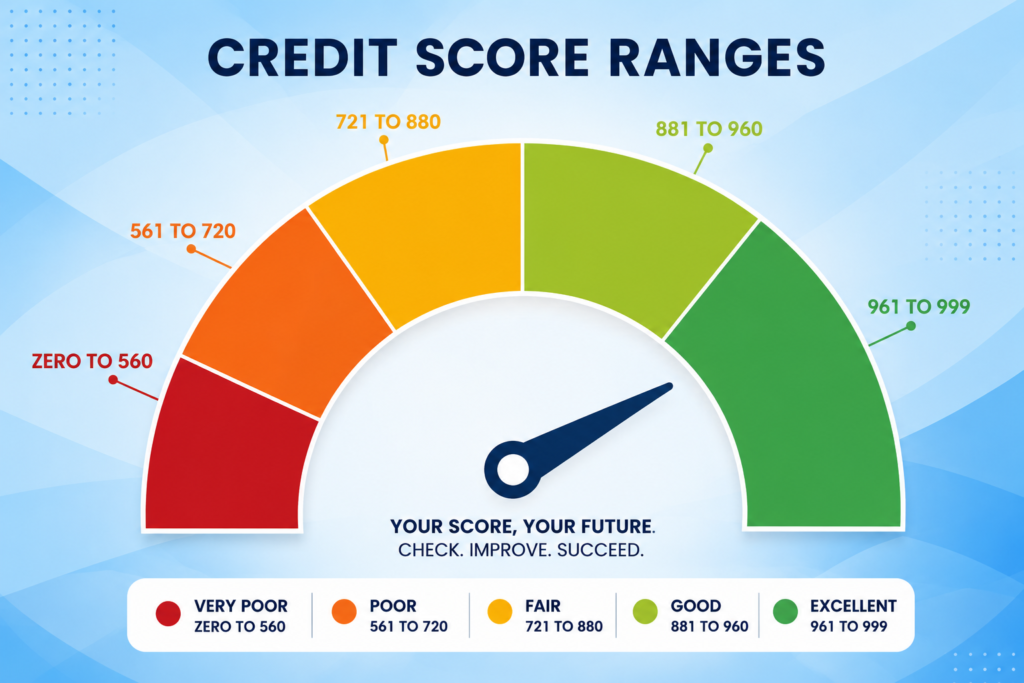
Related guide: Compare the main UK credit score ranges before interpreting your report.
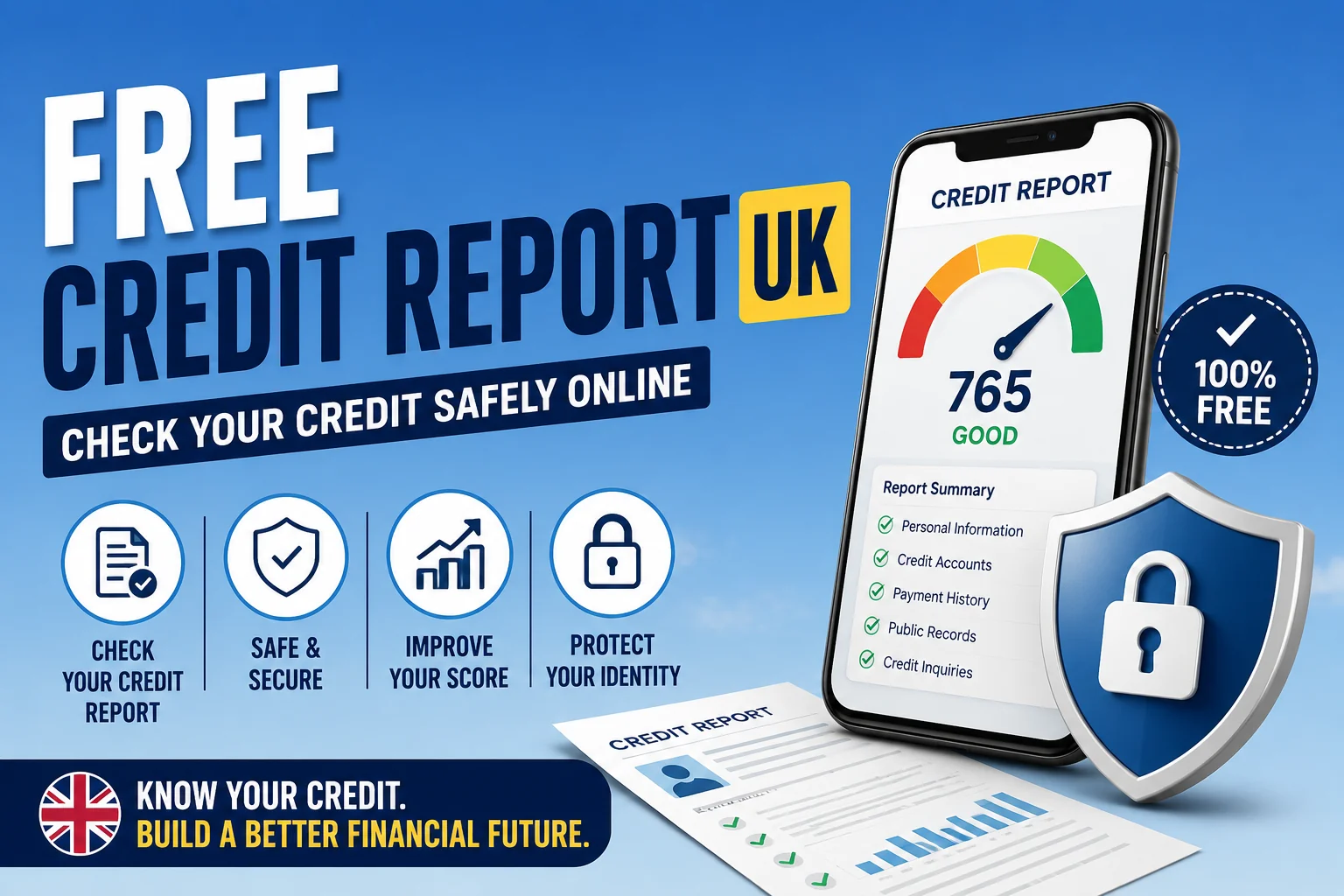
If you are searching for a free credit report, you are probably trying to understand your financial health, improve your credit score, or prepare for a loan, mortgage or credit card application. In the UK, a free credit report can help you see how lenders may view your financial behaviour and identify issues that could affect your ability to borrow money.
Your credit report is more than just a number. It contains detailed information about your financial history, including payment records, borrowing habits, and public financial data. Understanding this information can help you make smarter financial decisions and avoid problems that may impact future applications.
This guide explains how free credit reports work in the UK, where to access them safely, how to improve your credit profile, and what mistakes to avoid.
Quick answer: how to get a credit report free
You can view your credit rating free with all three UK credit agencies. Experian offers a free account on its own site. Equifax data is free through ClearScore. TransUnion data is free through Credit Karma. By law, each agency must also give you your statutory credit report free if you ask for it. Checking your own report is a soft search: it never harms your score, and you can check as often as you like.
Free routes checked: October 2026.
What Is a Free Credit Report?
A free credit report is a record of your financial history collected by credit reference agencies. It helps lenders assess whether you are likely to repay borrowed money responsibly.
Your report may include:
- Credit cards and loans
- Mortgage history
- Mobile phone contracts
- Payment history
- Credit applications
- Electoral roll details
- Public financial records
In the UK, the main credit reference agencies are:
- Experian
- Equifax
- TransUnion
Each agency may hold slightly different information, which is why scores can vary.
Why a Free Credit Report Matters
Many people only think about credit reports when they apply for finance. However, your report can influence several important areas of life.
Lenders may use your report when reviewing:
- Mortgage applications
- Personal loans
- Car finance
- Credit cards
- Mobile contracts
- Rental applications
A healthier credit profile may improve approval chances and help you access better interest rates.
What Information Appears on a Free Credit Report?
Understanding the sections of your report can help you identify strengths and weaknesses in your financial profile.
Personal Information
This includes:
- Full name
- Date of birth
- Current and previous addresses
Incorrect information here can cause identification problems.
Credit Accounts
Your report may list:
- Credit cards
- Loans
- Overdrafts
- Mortgages
It usually shows:
- Account balances
- Payment status
- Credit limits
- Account history
How a Free Credit Report Shows Your Payment History
One of the most important sections.
Late payments, defaults or missed payments can negatively affect your credit profile.
Consistent on-time payments generally help build trust with lenders.
Public Records
This may include:
- County Court Judgments (CCJs)
- Bankruptcies
- Individual Voluntary Arrangements (IVAs)
These records can remain visible for several years.
Credit Searches
Whenever you apply for finance, lenders may perform a search.
Too many applications in a short period may appear risky to lenders.
Is a Free Credit Report Really Free?
Many services provide free access to credit reports, although some may promote premium subscriptions or paid monitoring services.
Before signing up:
- Read the terms carefully
- Check cancellation policies
- Understand trial periods
Consumers in the UK have legal rights to access their credit information.
How to Get a Free Credit Report in the UK
You can access your report through trusted credit agencies.
Popular providers include:
- Experian
- Equifax
- TransUnion
Many platforms also provide:
- Credit score updates
- Fraud monitoring
- Alerts for suspicious activity
Always use trusted providers when entering financial information online.
The three agencies and the free way to see each report
| Agency | Free way to see it | Good to know |
|---|---|---|
| Experian | Free account at experian.co.uk, or ask for your statutory report | The largest of the three UK agencies |
| Equifax | Free through ClearScore, or ask Equifax for your statutory report | ClearScore shows your Equifax report and score free |
| TransUnion | Free through Credit Karma, or ask TransUnion for your statutory report | Credit Karma shows your TransUnion report and score free |
Lenders do not all use the same agency, so a problem can sit on one report and not the others. Before a big application, such as a mortgage, check all three. Our guide to checking your credit score free explains what each score means.
Free Credit Report vs Credit Score
People often confuse these terms, but they are different.
Credit Report
A detailed record of your financial history.
Credit Score
A number calculated using information from your report.
Different lenders may use their own systems, which means scores can vary between providers.
How a Free Credit Report Helps Improve Your Credit Score
Improving your credit profile takes time and consistency.
1. Pay Bills on Time
Payment history is one of the biggest factors affecting your report.
Setting up direct debits may help reduce missed payments.
2. Register on the Electoral Roll
This helps lenders confirm your identity and address.
3. Reduce Credit Utilisation
Using too much available credit may negatively affect your profile.
Many experts recommend using less than 30% of your available limit.
4. Avoid Too Many Applications
Multiple applications within a short time may lower lender confidence.
5. Keep Older Accounts Open
Longer account histories can support stronger credit profiles.
Common Free Credit Report Mistakes to Avoid
Errors can happen and may affect applications.
Watch for:
- Incorrect addresses
- Accounts that are not yours
- Duplicate debts
- Wrong payment records
If you find mistakes, contact the relevant credit agency immediately.

How Often Should You Check Your Free Credit Report?
Checking your own report does not harm your score.
Many people check:
- Before mortgage applications
- Before taking loans
- Several times a year
- After fraud concerns
Regular monitoring helps you stay informed.
Can Checking Your Own Credit Report Lower Your Score?
No.
Checking your own report creates a “soft search,” which does not affect your credit rating.
Hard searches usually happen when lenders review applications.
Free Credit Reports and Identity Fraud
A credit report can help you identify suspicious activity early.
Warning signs may include:
- Unknown accounts
- Unfamiliar searches
- Address changes you did not make
Monitoring reports regularly can help reduce fraud risks.
Why Financial Habits Matter Long-Term
Strong credit is usually built gradually over time.
Healthy habits include:
- Paying on time
- Staying organised
- Avoiding unnecessary debt
- Monitoring reports regularly
- Keeping balances manageable
Quick fixes rarely work long-term.
Trusted UK Financial Resources
For official guidance and financial consumer protection, refer to:
These sources provide accurate and up-to-date financial information for UK consumers.
Responsible Financial Guidance
This guide is based on publicly available UK financial information and widely accepted credit management practices.
Credit reports and scores may vary between providers, and lenders use their own criteria when reviewing applications. Consumers should always review information carefully and consider seeking professional financial advice where appropriate.
Final Thoughts
A free credit report is one of the most useful tools for understanding your financial position in the UK. Whether you are preparing for a mortgage, trying to improve your credit score, or simply monitoring your financial health, checking your report regularly can help you make more informed decisions.
The key is to use trusted providers, understand the information clearly, and focus on long-term financial habits instead of short-term fixes. Over time, responsible financial management can improve your credit profile and increase future financial opportunities.
Found a Mistake on Your Credit Report? How to Fix It
Mistakes happen: a debt you never had, a payment marked late when it was on time, an old address, or an account opened by someone else. Fixing them is free.
- Contact the agency showing the error and ask it to raise a dispute. The agency asks the lender to check its records.
- If the lender agrees the record is wrong, it is corrected or removed. If the lender says it is right, you can add a notice of correction: a short statement in your own words that anyone reading your report will see.
- If the mistake involves a bill or an account, contact that company too, and keep copies of everything you send.
- If you spot accounts you never opened, treat it as possible identity fraud. Tell the agency and the lender straight away and ask for the records to be removed.
Frequently Asked Questions (FAQ)
What is a free credit report?
A free credit report is a summary of your financial history, including credit accounts, payment records, and financial activity used by lenders.
Can I get a free credit report in the UK?
Yes. UK consumers can access reports through providers such as Experian, Equifax, and TransUnion.
Does checking my free credit report affect my score?
No. Checking your own report creates a soft search and does not lower your credit score.
How can I improve my credit score?
You can improve your score by paying bills on time, reducing debt, registering on the electoral roll, and avoiding too many credit applications.
How often should I check my free credit report?
Many experts recommend checking your free credit report several times a year or before applying for important financial products.
How can I view my credit rating free?
Use the free routes in the table above: a free Experian account, ClearScore for Equifax, and Credit Karma for TransUnion. None of them should ask for your card details. If a site asks you to pay or enter card details for a basic report, stop: your statutory credit report is free by law. Seeing your own file is called a soft search. Our guide to soft vs hard credit searches explains what lenders can and cannot see.
How long do defaults and CCJs stay on my credit report?
Six years from the date they were recorded, even if you pay the debt off sooner. Paying still helps, because the record is marked settled or satisfied, which looks better to lenders. After six years they drop off automatically.
Is my free credit report the same at all three agencies?
No. Each agency holds its own file, and lenders report to different agencies, so balances, accounts and searches can differ from one report to the next. That is why checking all three before a big application is worth ten minutes.
What is a statutory credit report?
A statutory credit report is the copy of your report that each agency must give you free by law when you ask for it. Experian, Equifax and TransUnion all have to provide one, separate from any free account or paid service they sell.
How do I dispute something on my credit report?
Contact the agency showing the error and ask it to raise a dispute. The agency then asks the lender to check its records. If the lender agrees the record is wrong, it is corrected or removed. If the lender says it is right, you can add a notice of correction in your own words, and our fix it section above walks through the steps.
Where can I get my free credit report?
From each of the three agencies: an Experian free account for Experian, ClearScore for Equifax, and Credit Karma for TransUnion. You can also ask any agency directly for your free statutory report.
Got a UK money question?
Ask it in the Ask UKMT live chat. No sign up, no names, and the answers are checked against official sources. Open the live chat