Do Sole Traders Have Unlimited Liability? A Simple How-To Guide
Running a business as a sole trader is like riding a bike without a helmet. You move freely and stay in control. However, if something goes wrong, there is little protection.
Because of this risk, many people ask the same question: do sole traders have unlimited liability?
The simple answer is yes.
Still, knowing what that means can help you avoid costly mistakes.
This guide explains unlimited liability in plain language. It also shows how it can affect your money and your personal life.
What Does Unlimited Liability Mean for Sole Traders?
A sole trader is the simplest business setup in the UK.
It is also the most common way to start a small business.
As a sole trader, you:
- work for yourself
- make all business decisions
- keep profits after tax
You can run your business full time.
You can also be self-employed alongside another job.
Because setup is quick and cheap, many people choose this option first.
Even so, it comes with risks you must understand early.
Why Sole Traders Accept Unlimited Liability
Yes, sole traders have unlimited liability.
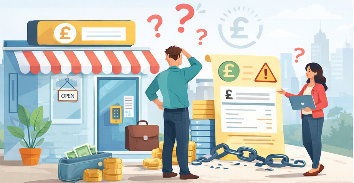
This means there is no legal gap between you and your business.
In simple terms, the business is you.
So, if the business owes money, you owe it too.
If the business fails, your personal assets may be at risk.
For this reason, debts do not stop at the business door.
What Does Unlimited Liability Mean for Sole Traders?
Unlimited liability links your personal money to your business debts.
Because of this, problems at work can affect your home life.
For example:
- Your savings may pay business bills
- Your car or valuables could be taken
- In serious cases, your home may be affected
As a result, small issues can grow fast if ignored.
That is why early planning matters.
Why Do Sole Traders Have Unlimited Liability?
Even with this risk, many people still choose to be sole traders.
Here is why:
First, it is easy to set up.
Second, there is less paperwork.
Third, costs are low compared to other setups.
Also, many small businesses have limited risk at the start. For some people, the benefits outweigh the danger.
Still, you should never ignore the downside.
How Unlimited Liability Affects a Sole Trader’s Personal Assets
Unlimited liability directly affects how you handle money.
You must:
- pay business debts yourself
- cover tax and National Insurance
- deal with losses alone
Because of this, good record keeping is vital.
When you track income and spending, you spot problems early. This gives you time to act before debts grow.
Can Sole Traders Reduce Unlimited Liability Risks?
You cannot remove unlimited liability.
However, you can reduce the risk.
Get Business Insurance
Insurance can help cover:
- legal claims
- accidents
- property damage
Although it does not erase liability, it limits losses.
Keep Business and Personal Money Separate
Using separate bank accounts helps you stay organised. It also makes problems easier to spot.
Because of this, many sole traders open a business account early.
Avoid Large Debts
Try not to borrow more than you can repay.
Before signing contracts, read the terms carefully. If unsure, ask for help.
When Unlimited Liability Becomes a Problem
Unlimited liability becomes risky when:
- debts grow fast
- income is unstable
- legal claims arise
At that point, personal stress increases. Money worries often follow.
Because of this, some sole traders change their business setup later.
Sole Trader vs Limited Company
A limited company works differently.
With a limited company:
- the business is separate from you
- personal assets are usually protected
- liability is limited in most cases
This setup needs more paperwork.
It also costs more to run.
Still, many people switch as their business grows.
Should You Stay a Sole Trader?
That depends on your situation.
If your business is small and low risk, being a sole trader may work well.
If your income grows or risk increases, it may be time to review your setup.
Because of this, checking your position each year is a smart move.
Getting Advice Early Helps
Many sole traders wait too long to get advice.
Talking to:
- an accountant
- a business adviser
- a tax professional
can save money later.
Even one short session can help you avoid mistakes.
Final Thoughts: Do Sole Traders Have Unlimited Liability?
Yes. Sole traders have unlimited liability.
This means business debts are personal debts.
If the business fails, your own money may be used.
The setup is simple.
However, the risk is clear.
With planning and insurance, many people manage this well.
Most problems happen when the risk is ignored.
If you understand the rules early, choices become easier.
That knowledge helps you protect yourself.
FAQs: Do Sole Traders Have Unlimited Liability?
Do sole traders have unlimited liability?
It means there is no legal split.
You and the business are the same.
Because of this, personal assets may be used to pay debts.
What does unlimited liability mean?
It means there is no legal split.
You and the business are the same.
As a result, personal assets may pay business debts.
Can a sole trader protect personal assets?
Unlimited liability cannot be removed.
However, risk can be reduced with insurance and careful planning.
Is unlimited liability the same for limited companies?
No. The rules differ.
Sole traders carry full risk.
Limited companies usually protect personal assets.