British Airways Flight Turnaround Explained: What Happened?
The British Airways flight turnaround has attracted significant attention after two Boeing 777 aircraft returned to London Heathrow following technical issues. Although both flights landed safely, the incidents have raised questions about airline safety procedures, aircraft maintenance and what passengers should expect when a long-haul journey is interrupted. Understanding why a British Airways transatlantic flight turnaround occurs helps travellers appreciate the safety-first decisions made by flight crews and engineers.
Thank you for reading this post, don't forget to subscribe!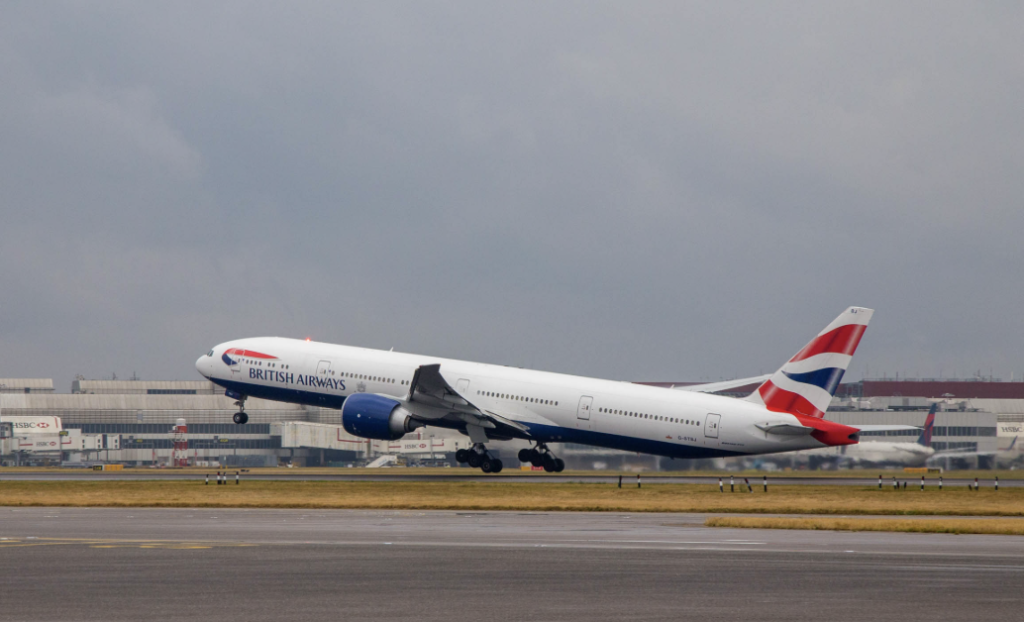
Quick Answer
Why did the British Airways transatlantic flights turn around?
Two British Airways Boeing 777 flights bound for the United States returned to London Heathrow after technical issues were detected during flight. The crews followed standard aviation safety procedures by returning to the airport instead of continuing across the Atlantic. Both aircraft landed safely and passengers were later rebooked or accommodated according to the airline’s procedures.
What Is the British Airways Flight Turnaround?
Two British Airways long-haul services travelling from London Heathrow to the United States returned shortly after departure following separate technical issues detected on board.
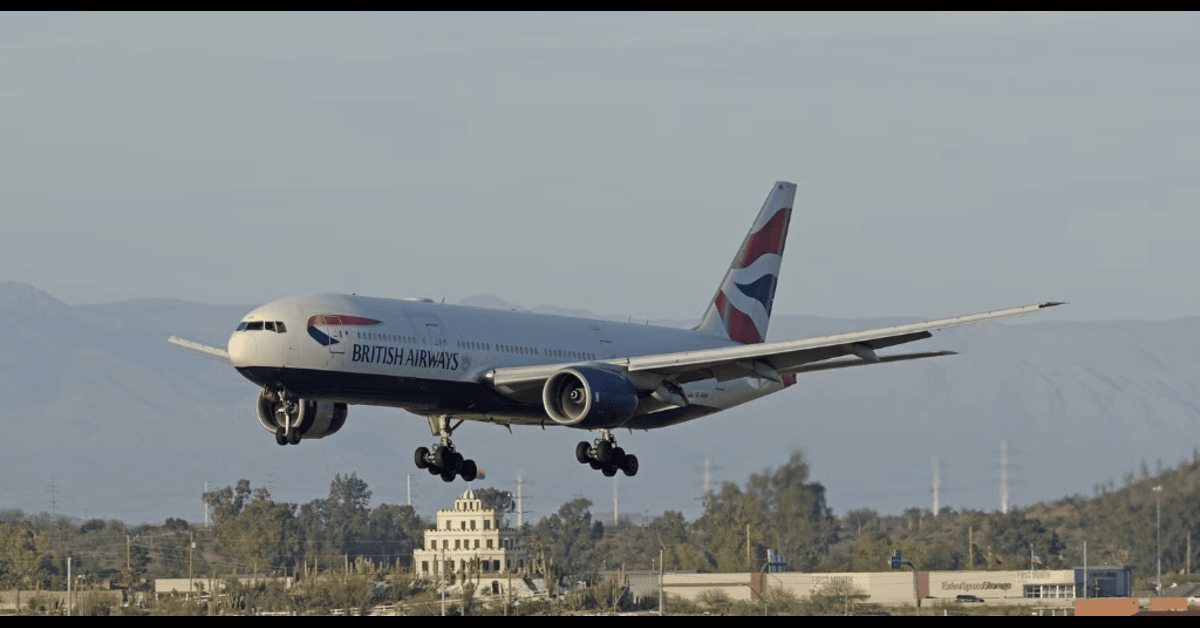
One aircraft, operating Flight BA229 to Baltimore, turned back after reaching cruising altitude over Ireland. Less than 48 hours later, Flight BA183 to New York JFK also returned to Heathrow after the crew reported a technical issue during the climb. Both aircraft landed safely without injuries being reported.
Although the incidents occurred close together, British Airways has not confirmed that the two events were related.
Timeline of Events
| Date | Event |
|---|---|
| 9 July 2026 | BA229 departs Heathrow for Baltimore |
| Shortly after departure | Crew reports technical issue |
| Over Ireland | Aircraft turns back toward Heathrow |
| 10 July 2026 | BA183 departs for New York JFK |
| Shortly after departure | Second aircraft returns to Heathrow |
| After landing | Engineering inspections begin |
Sources: flight tracking and aviation reporting.
Which Flights Were Involved?
According to flight-tracking reports:
| Flight | Destination | Outcome |
|---|---|---|
| BA229 | Baltimore | Returned safely to Heathrow |
| BA183 | New York JFK | Returned safely to Heathrow |
Both services were operated by Boeing 777-200ER aircraft.
Why Did the British Airways Flight Turn Around?
Modern commercial aircraft constantly monitor thousands of systems during flight.
If pilots receive a warning indicating a technical issue that requires further inspection, they must assess:
- aircraft performance
- distance from a suitable airport
- weather conditions
- fuel status
- passenger safety
In these cases, returning to Heathrow was considered the safest operational decision rather than continuing across the Atlantic. Aviation safety procedures prioritise caution, even when a fault later proves to be minor.
How Did the British Airways Flight Turnaround Unfold?
A turnaround is not based on a single warning light.
Flight crews work with:
- onboard diagnostic systems
- airline operations centres
- engineering teams
- air traffic control
Together they determine whether:
- the flight can continue safely,
- divert to another airport,
- or return to the departure airport.
For long-haul routes, returning early is often the most practical option because the aircraft is still relatively close to its maintenance base.
Is This Common?
While dramatic, technical turnarounds are relatively uncommon compared with the thousands of commercial flights operating every day.
Airlines regularly train crews for situations involving:
- engine indications
- hydraulic warnings
- electrical system faults
- navigation equipment
- cabin pressurisation alerts
Most precautionary returns end safely without passengers ever being in immediate danger.
Practical Example 1
A London-to-New York flight detects an unexpected systems warning 45 minutes after departure.
Instead of crossing the Atlantic, the crew returns to Heathrow where specialist engineers and replacement aircraft are available.
Although inconvenient, this reduces operational risk.
Practical Example 2
A flight already halfway across the Atlantic may instead divert to:
- Shannon
- Keflavik
- Gander
- Halifax
depending on the nature of the technical issue.
Practical Example 3
A warning caused by a faulty sensor may ultimately require only a simple replacement part, yet aviation regulations still require the aircraft to land before continuing service.
What Happens After a Flight Returns to Heathrow?
When a commercial aircraft returns to its departure airport because of a technical issue, a structured process begins immediately after landing. The aircraft is not simply sent back into service.
Typically, the following steps take place:
- Engineers inspect the aircraft and review technical reports.
- Pilots record the issue in the aircraft’s maintenance log.
- Maintenance teams diagnose and repair the problem.
- The aircraft undergoes safety checks before being cleared to fly again.
- Passengers are either transferred to another aircraft or rebooked on later flights.
For major airlines like British Airways, Heathrow serves as a primary maintenance hub, allowing engineers and spare aircraft to be deployed more efficiently than at many overseas airports.
What Are Passenger Rights When a Flight Turns Back?
Quick Answer
If a British Airways flight returns because of a technical issue, passengers may be entitled to care such as meals, refreshments and accommodation depending on the length of the delay. Whether compensation is payable depends on the specific circumstances and applicable passenger rights regulations.
British Airways will normally:
- Provide updated travel information.
- Arrange an alternative flight where possible.
- Offer meals or refreshments during long delays.
- Provide hotel accommodation if an overnight stay is required.
If the delay becomes significant, passengers may also have rights under applicable air passenger compensation rules, although eligibility depends on the cause of the disruption and the circumstances of the delay.
Are Boeing 777 Aircraft Safe?
The Boeing 777 is one of the world’s most widely used long-haul aircraft.
Since entering commercial service in the 1990s, it has carried hundreds of millions of passengers across international routes.
A precautionary turnaround does not necessarily indicate a serious safety problem.
Modern aircraft contain thousands of sensors designed to identify abnormalities early. When a system detects a potential issue, pilots follow established procedures that prioritise safety over schedule.
In many cases, engineers later determine that the issue was minor, but aviation regulations require the aircraft to be inspected before continuing service.

Why Airlines Sometimes Choose to Return Instead of Continue
Passengers often wonder why an aircraft turns around even when it appears to be flying normally.
Several factors influence the decision.
| Continue Flight | Return to Heathrow |
|---|---|
| Longer distance to maintenance | Immediate access to engineers |
| Limited spare aircraft | Replacement aircraft available |
| Possible overseas delays | Faster engineering support |
| Greater operational uncertainty | Easier passenger assistance |
Returning early often reduces overall disruption compared with continuing across the Atlantic and dealing with a technical issue at the destination.
Could Another British Airways Flight Turnaround Happen?
Two precautionary returns within a short period naturally attract public attention.
However, isolated technical events do not automatically indicate broader operational problems.
Airlines routinely experience technical issues that require aircraft substitutions, maintenance inspections or operational adjustments. The key measure is how effectively the airline responds and whether safety procedures are followed.
British Airways’ decision to return both aircraft demonstrates the industry’s safety-first approach rather than a willingness to accept unnecessary operational risk.
Operational disruptions can also influence investor confidence in the aviation sector. For more airline industry analysis, read our Jet2 Share Price Chat article.
Our Expert View on the British Airways Flight Turnaround
The recent British Airways transatlantic flight turnaround events highlight an important reality of modern aviation: precautionary decisions are a sign of robust safety management, not necessarily evidence of unsafe aircraft.
Today’s commercial aircraft continuously monitor thousands of components during flight. Pilots receive real-time information and work closely with airline operations teams before deciding whether to continue, divert or return.
From a passenger perspective, an unexpected return is understandably frustrating. However, choosing caution often prevents larger operational or safety issues later in the journey.
Looking ahead, airlines are expected to invest further in predictive maintenance technologies that identify potential mechanical issues before aircraft even leave the ground. These systems may reduce future technical disruptions while improving reliability across long-haul fleets.
Practical Advice for Travellers
If your flight returns to the departure airport:
- Stay updated using the airline’s official app or website.
- Keep boarding passes and travel receipts.
- Ask airline staff about rebooking options.
- Check whether meals, accommodation or transport will be provided.
- Review your travel insurance policy if additional expenses arise.
Remaining informed and keeping documentation can make it easier to manage any disruption.
British Airways Flight Turnaround FAQs
Why did the British Airways flight turnaround?
The aircraft returned to Heathrow after the flight crew identified a technical issue. Returning allowed engineers to inspect the aircraft at the airline’s main maintenance base before the journey continued.
Which British Airways flight turnaround events returned to Heathrow?
Reports identified Flight BA229 to Baltimore and Flight BA183 to New York JFK as the affected services. Both aircraft landed safely after turning back.
Were passengers safe during the British Airways flight turnaround?
There is no indication that passengers were in immediate danger. Commercial pilots are trained to act conservatively whenever a technical issue is identified.
How common is a British Airways flight turnaround?
No. Precautionary returns are relatively uncommon compared with the large number of commercial flights operating each day.Author
What happens after a British Airways flight turnaround?
The aircraft undergoes engineering inspections before returning to service. Passengers are usually rebooked or accommodated on alternative flights.
Can passengers claim compensation?
Compensation depends on the reason for the disruption and the applicable passenger rights regulations. Technical issues do not automatically result in compensation.
Are Boeing 777 aircraft reliable?
Yes. The Boeing 777 has a long operational history and remains one of the world’s most widely used long-haul aircraft.
Why return instead of landing elsewhere?
Returning to Heathrow provides immediate access to British Airways engineers, maintenance facilities and replacement aircraft, which can minimise disruption.
Does a technical issue mean the aircraft is unsafe?
Not necessarily. Modern aircraft are designed to detect potential issues early, allowing crews to make precautionary decisions before a problem becomes more serious.
Should passengers worry about flying after incidents like this?
Commercial aviation remains one of the safest forms of transport. Airlines follow strict maintenance and safety procedures whenever technical issues arise.
Key Takeaways
- Two British Airways transatlantic flights returned to Heathrow after technical issues were detected.
- Both aircraft landed safely without reports of injuries.
- Returning to Heathrow allowed specialist engineers to inspect the aircraft promptly.
- Precautionary turnarounds are part of established aviation safety procedures.
- Passengers affected by similar events should follow airline guidance and understand their travel rights.
Author
UK Markets Today Editorial Team
Bio
The UK Markets Today Editorial Team delivers trusted reporting on UK finance, business, markets, aviation and economic developments. Our aim is to provide clear, well-researched analysis that helps readers understand how major events affect consumers, businesses and investors across the United Kingdom.
Disclaimer
This article is for general informational purposes only. Flight schedules, operational decisions and passenger rights may change depending on the circumstances. Readers should refer to official airline communications and relevant aviation authorities for the latest information.
Conclusion
The British Airways flight turnaround incidents demonstrate how commercial aviation prioritises passenger safety when technical concerns arise. Although unexpected returns can disrupt travel plans, they reflect established procedures designed to protect passengers and crew.
As airlines continue to invest in advanced aircraft monitoring and predictive maintenance, precautionary turnarounds may become even more effective at preventing larger operational issues. Staying informed through official airline updates and understanding your passenger rights can help reduce uncertainty if your journey is ever affected.
Have you experienced a flight turnaround or major travel disruption? Share your experience in the comments below, subscribe to the UK Markets Today newsletter for the latest UK business and travel news and explore our other coverage on the UK economy, business, and financial markets.
Interested in more UK news analysis? Read our coverage of Tapton Terrace Explained: Why Chesterfield Homes Face Demolition.