What Is Tapton Terrace? Why Chesterfield Homes Face Demolition After Flood Risk Review
Tapton Terrace has become one of the UK’s most talked-about housing stories after authorities recommended buying and demolishing 26 homes due to long-term flood risk. Located in Chesterfield, Derbyshire, the street has drawn national attention because the proposal follows devastating flooding during Storm Babet and raises important questions about climate resilience, property ownership and the future of flood-prone communities across the UK.
Thank you for reading this post, don't forget to subscribe!For homeowners, buyers and investors, the story goes beyond one street. It highlights how increasing flood risks can influence property values, insurance costs and future planning decisions.
Quick Answer
What is Tapton Terrace?
Tapton Terrace is a residential street in Chesterfield, Derbyshire. Following severe flooding during Storm Babet, authorities recommended purchasing and demolishing 26 homes because they believe the long-term flood risk cannot be reduced to an acceptable level.
Where Is Tapton Terrace?
Tapton Terrace is located close to Chesterfield town centre in Derbyshire, England.
The area lies alongside the River Rother, making it particularly vulnerable during periods of extreme rainfall.
Although Chesterfield has experienced flooding before, changing weather patterns and increasingly frequent heavy rainfall have significantly increased long-term flood concerns.
The location has therefore become an example of the wider challenges many UK communities face as climate risks evolve.
Why Is Tapton Terrace in the News?
The story is attracting widespread attention because it is about much more than one residential street.
It raises important questions including:
- Can some UK homes become impossible to protect?
- Should councils purchase properties in high-risk flood zones?
- How will climate change affect future housing developments?
- What rights do homeowners have?
- How will insurance companies respond?
For many experts, Tapton Terrace represents one of the clearest examples of how climate adaptation is beginning to influence UK housing policy.
Timeline of Events
| Date | Event |
|---|---|
| October 2023 | Storm Babet causes severe flooding across parts of the UK. |
| October 2023 | Tapton Terrace experiences significant flooding. |
| 2024 | Authorities begin detailed flood-risk investigations. |
| 2025 | Environment Agency reviews long-term options. |
| 2026 | Recommendation announced to purchase and demolish 26 homes. |
What Happened During Storm Babet?
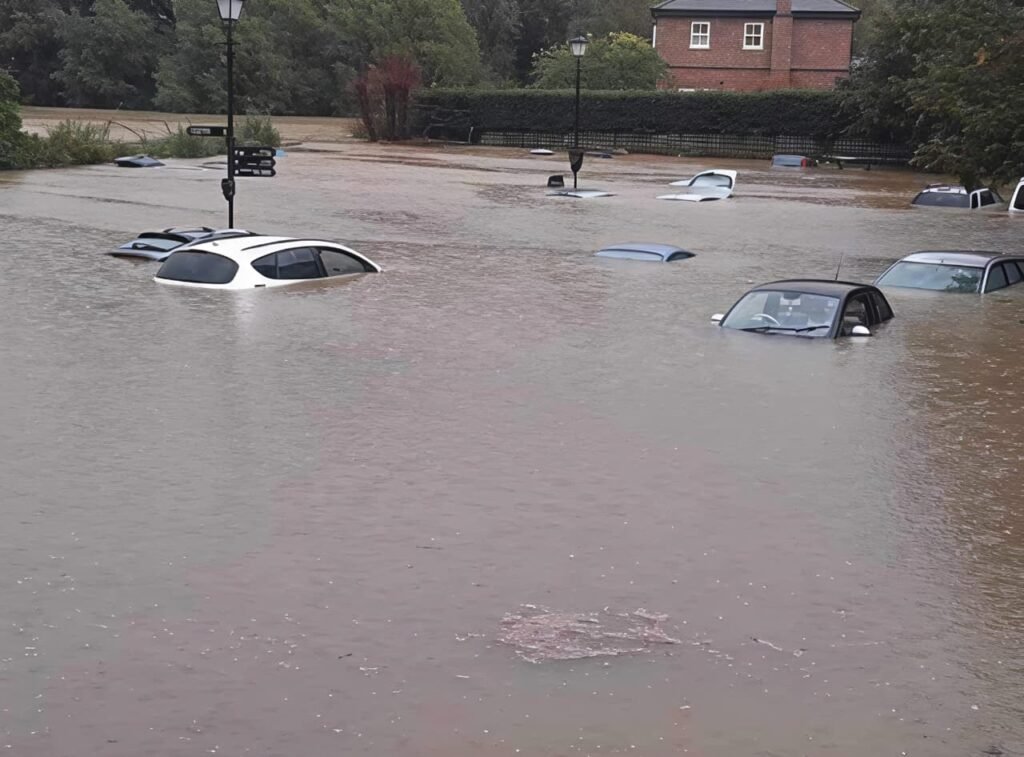
Storm Babet brought exceptionally heavy rainfall across several parts of the United Kingdom during October 2023.
Large areas experienced flooding, road closures and property damage.
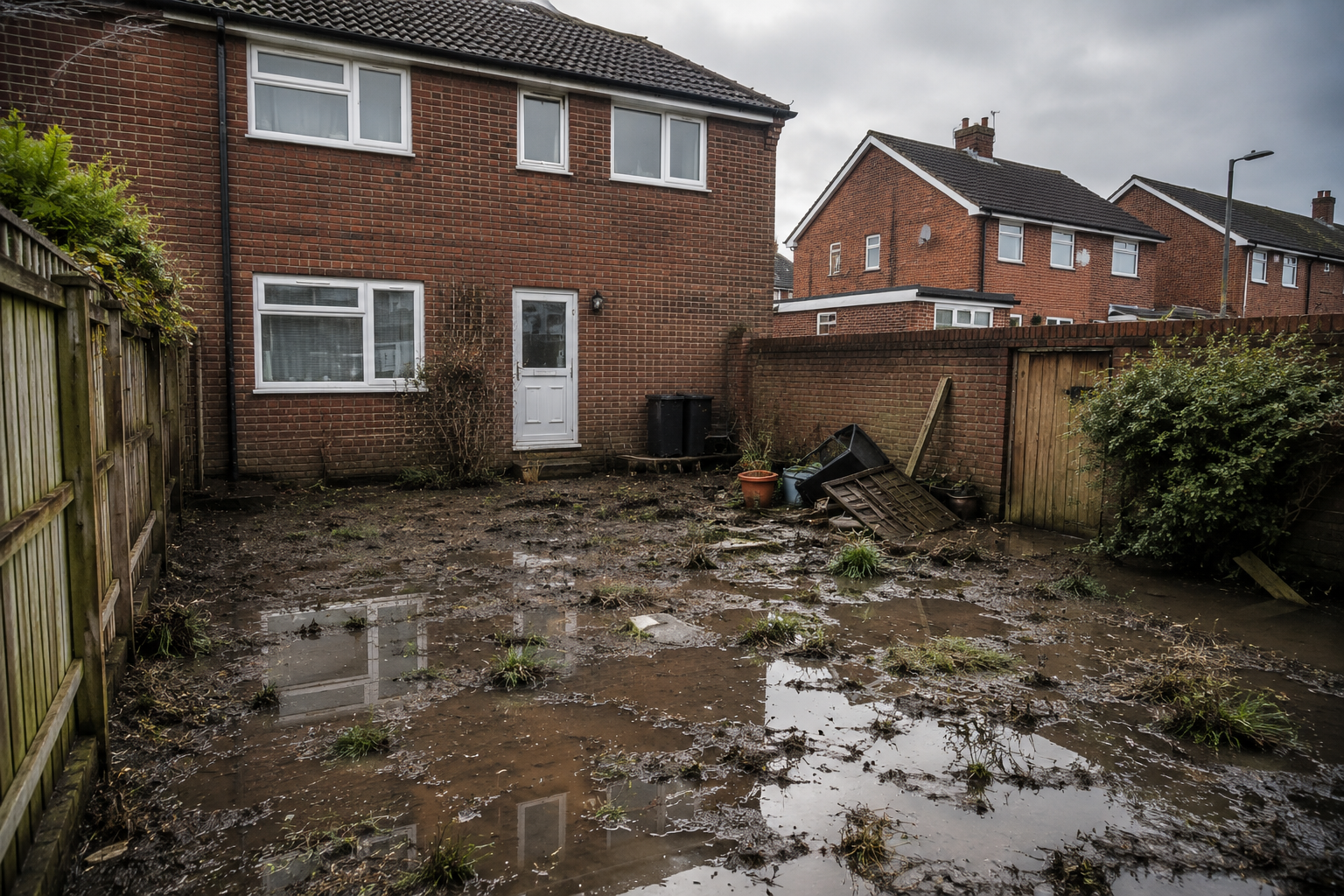
At Tapton Terrace, floodwater entered homes and caused major disruption to residents.
The event also prompted renewed public discussion about whether traditional flood defences alone are sufficient to protect vulnerable communities.
Following the storm, authorities began reviewing a range of possible long-term solutions.
These included:
- improving flood barriers
- raising flood walls
- installing additional drainage
- purchasing affected homes
After extensive analysis, officials concluded that buying affected properties would provide the safest long-term outcome.
Why Are Tapton Terrace Homes Facing Demolition?
The recommendation is based on one central issue:
Flood risk cannot be reduced enough to guarantee long-term safety.
Experts concluded that future flooding is likely to become more frequent because of changing weather patterns and climate change.
Instead of repeatedly repairing homes after major flooding, authorities believe voluntary property purchases offer a more sustainable solution.
This approach also reduces long-term emergency response costs while protecting residents from repeated flood damage.
However, the proposal remains highly sensitive because it affects people’s homes, communities and emotional connections to the area.
Comparison: Flood Defences vs Property Buyouts
| Flood Defences | Property Buyouts |
|---|---|
| Lower immediate disruption | Residents relocate permanently |
| May reduce flood frequency | Eliminates future residential flood risk |
| Can require ongoing maintenance | One-time long-term solution |
| May not protect against extreme weather | Removes homes from highest-risk area |
| Less community disruption | Significant emotional impact for residents |
Practical Example 1
Imagine purchasing a property today without checking flood maps.
A few years later, severe flooding damages the home several times.
Insurance premiums rise significantly and repairs become increasingly expensive.
If authorities later determine the area is no longer suitable for residential housing, homeowners could face major uncertainty.
Tapton Terrace demonstrates why buyers should always review official flood-risk information before completing a property purchase.
Practical Example 2
A landlord considering a buy-to-let investment may focus on rental yield and house prices but overlook flood risk.
If repeated flooding affects tenants and insurance costs rise, the investment could become far less attractive than originally expected.
Practical Example 3
First-time buyers often compare mortgage rates and monthly repayments.
However, long-term ownership costs also include insurance, maintenance and environmental risks.
Tapton Terrace highlights why these wider factors should be considered before buying any property.
What Happens Next for Tapton Terrace Residents?
The proposal to purchase and demolish homes at Tapton Terrace is not an immediate eviction notice. Instead, it marks the beginning of a long-term process involving consultation, property valuations and discussions with affected residents.
Authorities have indicated that any property acquisition would be carried out through a structured process designed to give homeowners clarity about their options. Residents are expected to receive detailed information about valuation methods, compensation arrangements and the proposed timetable before any final decisions are made.
For many homeowners, the biggest concern is not only financial compensation but also leaving behind a community where they may have lived for decades. Relocating can involve emotional, social and practical challenges that extend well beyond the value of a property.
Could Similar Flood-Risk Decisions Happen Elsewhere in the UK?
Short Answer
Yes. As climate change increases the frequency of extreme weather, more UK communities may face difficult decisions about long-term flood resilience. However, every case is assessed individually and demolition is considered only after other options have been evaluated.
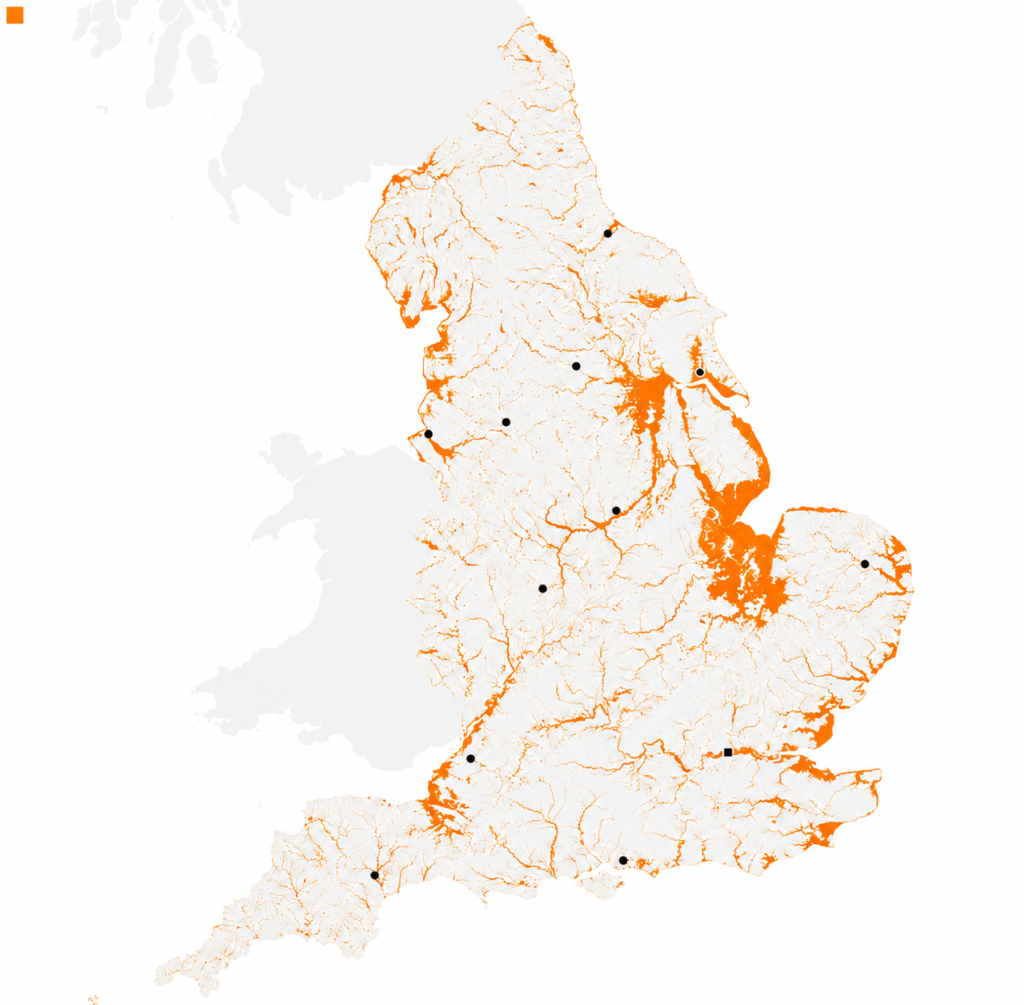
Flood risk is becoming an increasingly important factor in planning decisions across the UK. Communities located near rivers, coastal areas and low-lying land may require additional investment in flood defences, while some locations could eventually require alternative long-term solutions.
Areas with known flood risks include parts of:
- Yorkshire
- Lincolnshire
- Derbyshire
- Somerset Levels
- Cumbria
- Lancashire
- South Wales
- Norfolk
This does not mean homes in these regions will be demolished. Instead, it highlights the growing importance of flood-risk assessments for homeowners, buyers and investors.
What Does This Mean for UK Home Buyers?
The Tapton Terrace case is a reminder that buying a property involves more than comparing house prices and mortgage rates.
Before purchasing a home, buyers should consider:
- Checking official flood-risk maps.
- Understanding the availability and cost of home insurance.
- Reviewing any previous flood history.
- Asking the seller about past flood incidents.
- Investigating local flood protection measures.
- Considering how climate risks may affect future property values.
These steps can help buyers make more informed decisions, particularly in areas known to have an elevated flood risk.
How Could This Affect Property Values?
Flood risk can influence property values in several ways.
| Factor | Possible Impact |
|---|---|
| Repeated flooding | Reduced buyer demand |
| Higher insurance premiums | Increased ownership costs |
| Mortgage lender requirements | Stricter lending criteria |
| Climate risk concerns | Lower long-term market confidence |
| Government investment in flood defences | May improve confidence in some areas |
It’s important to remember that every property market is different. A flood-risk designation does not automatically mean a property’s value will decline, but it can become an important consideration for buyers and lenders.
Our Expert View on Tapton Terrace
The Tapton Terrace story represents more than a local housing issue, it reflects a broader challenge facing the UK.
As extreme weather events become more frequent, local authorities, insurers, lenders and homeowners will increasingly need to balance financial costs with long-term public safety.
For property buyers, environmental due diligence is becoming just as important as comparing mortgage rates or reviewing local amenities. Checking flood-risk information, understanding insurance implications and considering climate resilience are likely to play a greater role in property decisions over the coming years.
While Tapton Terrace is an unusual case, it serves as a reminder that climate-related risks are becoming a practical consideration in the UK’s housing market.
Frequently Asked Questions on Tapton Terrace
What is Tapton Terrace?
Tapton Terrace is a residential street in Chesterfield, Derbyshire. It has become nationally known following a recommendation to purchase and demolish 26 homes because of long-term flood risk.
Why is Tapton Terrace in the news?
The area attracted national attention after authorities proposed buying affected homes following severe flooding linked to Storm Babet and subsequent flood-risk assessments.
Where is Tapton Terrace located?
Tapton Terrace is situated in Chesterfield, Derbyshire, close to the River Rother.
Why are homes being demolished?
Authorities believe the long-term flood risk cannot be reduced sufficiently to provide acceptable protection for residents.
What was Storm Babet?
Storm Babet was a severe weather event that brought heavy rainfall and flooding to several parts of the UK during October 2023.
Will residents receive compensation?
Authorities have proposed a property purchase programme. Individual compensation arrangements are expected to depend on property valuations and the final details of the scheme.
Can homeowners refuse the offer?
Residents should review the official details of the proposed scheme once available. The process involves consultation and individual circumstances may vary.
Does flood risk affect mortgages?
Yes. Flood risk can influence lender requirements, insurance availability and, in some cases, property values.
Should buyers check flood maps before purchasing a home?
Yes. Reviewing official flood-risk information is considered good practice before buying any property.
Could similar schemes happen elsewhere?
Each case is assessed individually. While Tapton Terrace is unusual, climate resilience is becoming an increasingly important consideration in UK housing policy.
Key Takeaways
- Tapton Terrace has become a significant example of how climate-related flood risks can influence housing decisions.
- Authorities have recommended purchasing and demolishing 26 homes after concluding that long-term flood risk remains too high.
- The proposal highlights the importance of flood-risk assessments for homeowners, buyers and investors.
- Environmental factors are becoming increasingly relevant in the UK property market.
- Buyers should consider flood history alongside traditional factors such as price, location and mortgage affordability.
Author
UK Markets Today Editorial Team
Bio
The UK Markets Today Editorial Team covers UK financial news, markets, personal finance, mortgages, business and economic developments. Our goal is to provide clear, accurate and practical information that helps readers make informed financial decisions through reliable reporting and well-researched analysis.
Disclaimer
This article is provided for general informational purposes only and should not be considered financial, legal or property advice. Information may change as official investigations and consultations progress. Readers should refer to official guidance and seek professional advice before making financial or property-related decisions.
Conclusion
The Tapton Terrace proposal is a significant example of how environmental risks are influencing housing policy in the UK. While the recommendation affects a single community today, it raises wider questions about flood resilience, property ownership and long-term planning across England and beyond.
For buyers, investors and homeowners, the story reinforces the importance of understanding environmental risks alongside traditional property considerations. As climate adaptation becomes a larger part of public policy, staying informed will help individuals make more confident decisions.